
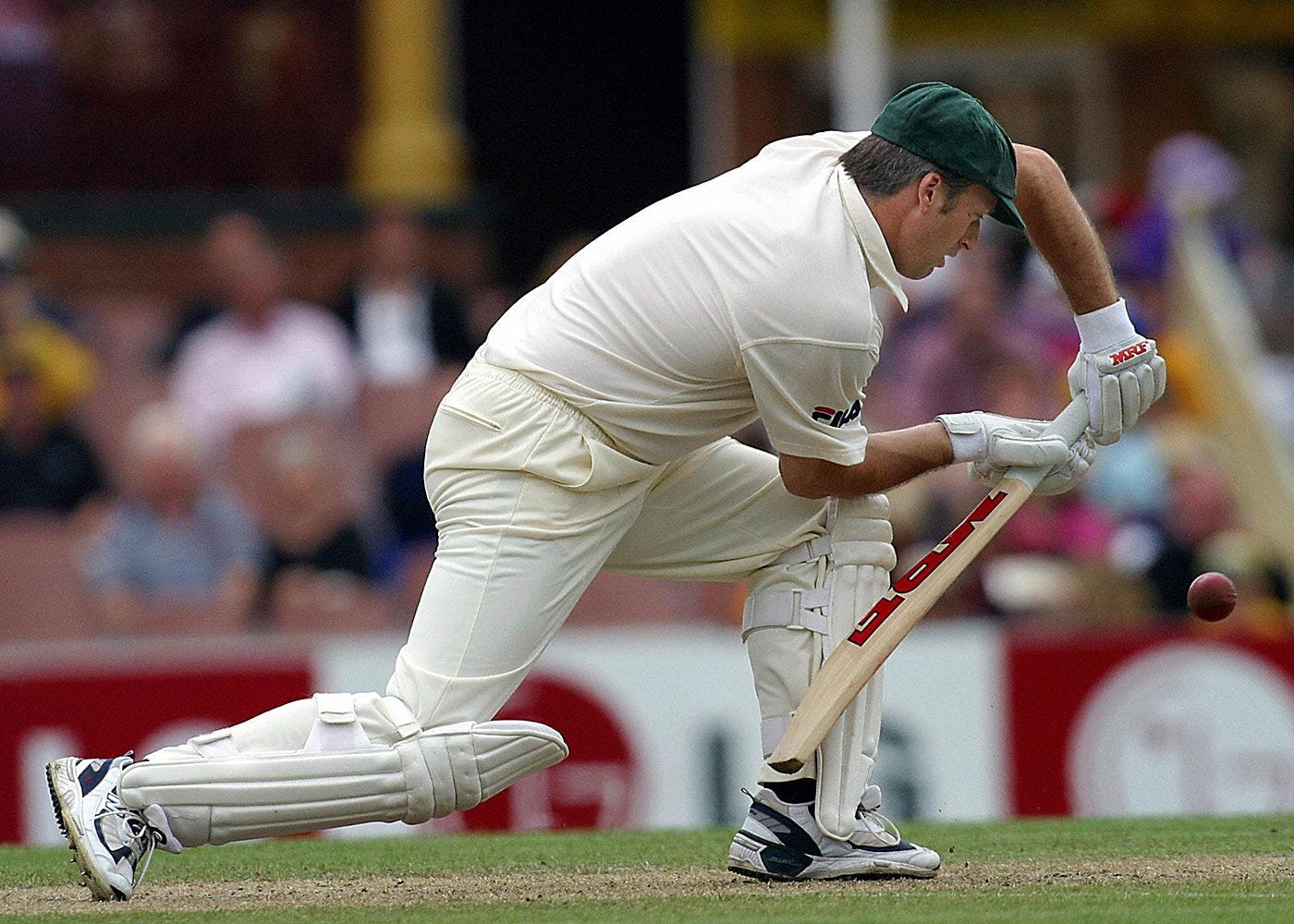
Batting in cricket is often misunderstood. People talk about shots, power, bat brands, and timing, but very few talk about what really keeps a batter at the crease. Anyone who has played more than a few matches knows this truth batting success is built on technique, not talent alone.
You can have quick hands and still struggle. You can own a good bat and still nick off early. What separates consistent batters from inconsistent ones is how well they understand and apply basic batting techniques over long periods of play.Below are seven batting techniques, explained in detail, the way they actually work in real cricket not theory, not slogans.
1. Batting Stance
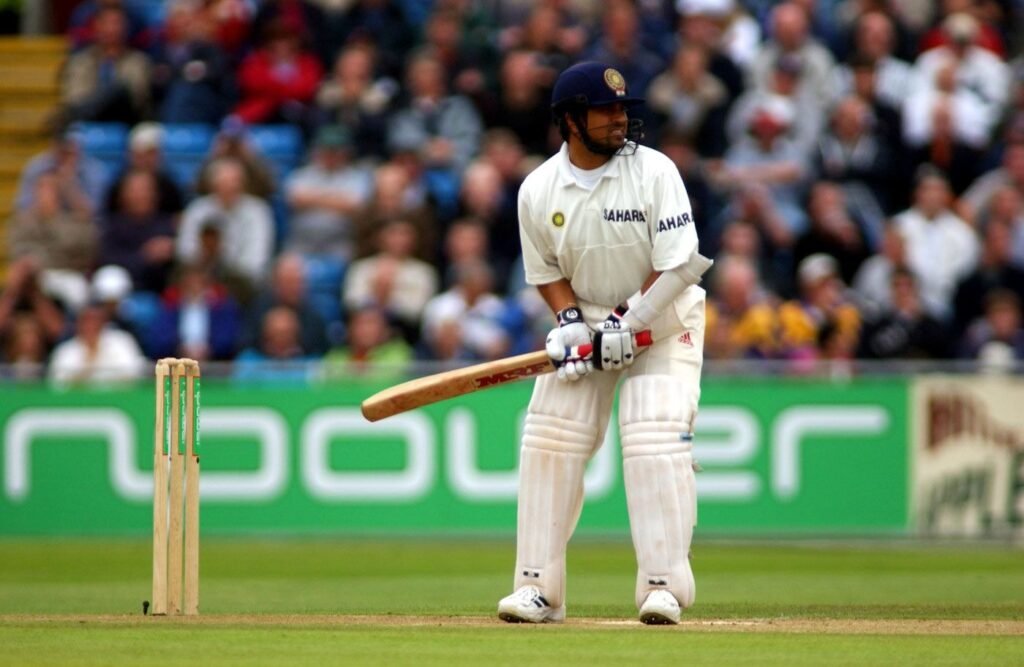
A batting stance is not just a starting position it is the position you return to after every ball. If your stance is uncomfortable, rushed, or unstable, every delivery feels faster than it should.A proper stance allows your body to remain balanced while still being flexible. Feet too close together make you stiff. Feet too wide make movement slow. The ideal stance keeps your weight evenly distributed so you can move forward or backward without hesitation.In matches, especially early in the innings, a good stance helps you leave the ball confidently and defend with soft hands. Batters with poor stance often feel late even on good-length balls, leading to panic movements and poor shot choices.A stable stance doesn’t score runs directly but without it, runs become accidental.
2. Batting Grip
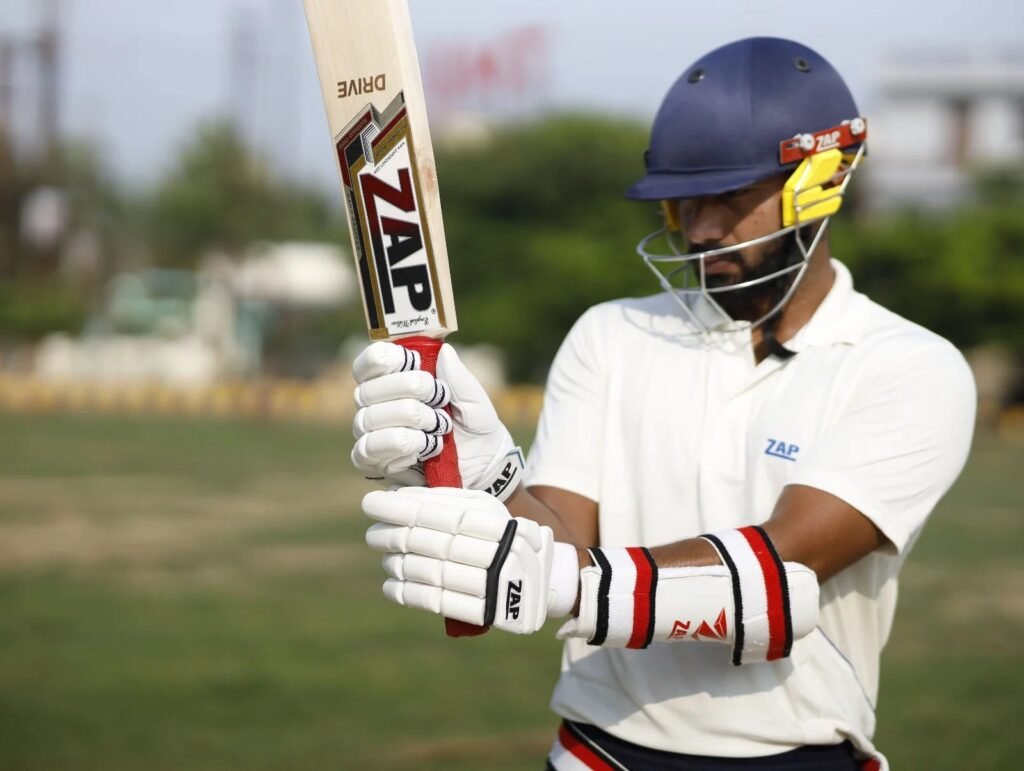
Grip is one of the most ignored yet important batting techniques. Many players grip the bat tightly, thinking it gives power. In reality, a tight grip reduces bat flow and timing.A correct grip allows the bat to come down straight and meet the ball naturally. The top hand controls direction and stability, while the bottom hand supports power without dominating the shot. When both hands work together, shots feel smoother and more controlled.In real matches, grip becomes crucial on slow pitches or against spin. A relaxed grip allows the bat face to adjust at the last moment, helping you place the ball into gaps rather than hitting straight to fielders.Most mistimed shots are not caused by bad footwork they are caused by a grip that doesn’t allow the bat to move freely.
3. Footwork

Footwork is what allows a batter to play the ball under control instead of reacting late. Good footwork is not about speed; it is about early decision-making.When you move your feet early, the ball comes closer to your body. This gives you better balance, better control, and more shot options. When footwork is poor, you end up reaching for the ball and reaching always leads to edges or mistimed shots.In swinging or seaming conditions, footwork becomes the difference between survival and dismissal. Batters who move decisively force bowlers to bowl better balls. Batters who stay rooted give bowlers chances without effort.Footwork doesn’t look exciting, but it quietly keeps you in the game.
4. Head Position
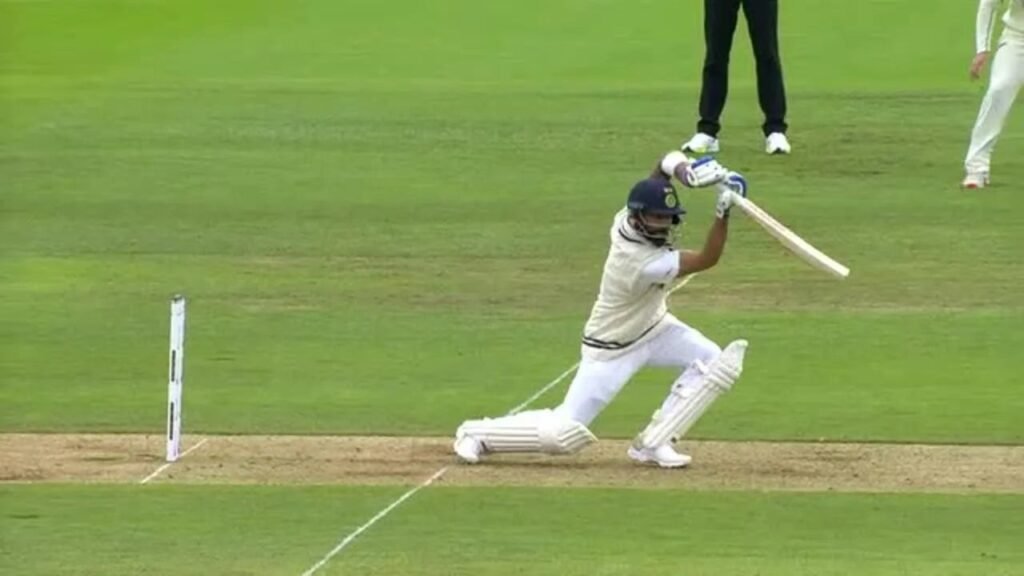
Timing is often described as a mystery, but it’s not. Timing comes from watching the ball clearly, and that depends entirely on head position.
When your head stays still and over the line of the ball, your eyes judge length and movement accurately. This allows the bat to follow the correct path naturally. When the head falls over or pulls away, timing disappears even if your swing hasn’t changed.In pressure situations, head movement increases unconsciously. This is why players suddenly lose timing even though they felt set a few overs earlier. Good batters control their head position even when nervous.Fixing head position alone can transform a struggling batter.
5. Shot Selection
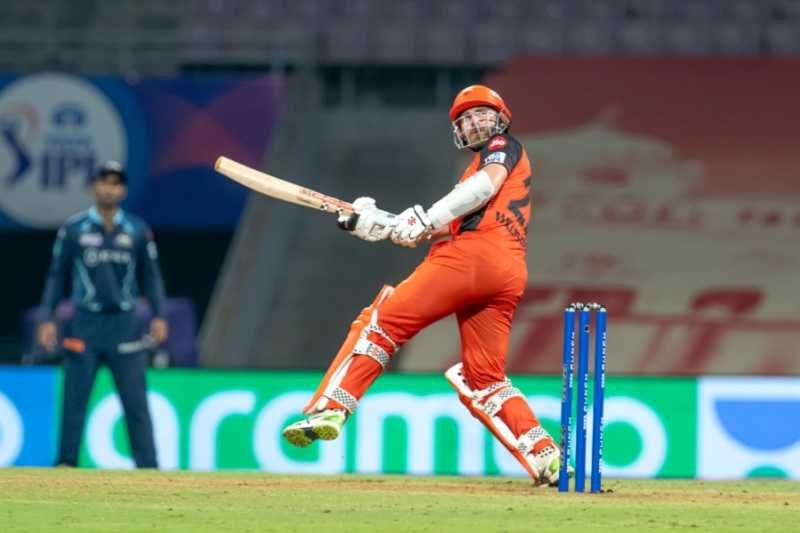
Shot selection is not about bravery or confidence it’s about awareness. Every ball offers options: attack, defend, leave, or rotate strike.
Good batters constantly read the situation pitch condition, bowler type, field placement, and match requirement. They choose shots that minimise risk while still scoring.Most wickets fall not because the ball was unplayable, but because the batter played a shot that wasn’t needed at that moment. Learning restraint is one of the hardest but most important batting techniques.Smart shot selection turns average technique into consistent performance.
6. Balance

Balance determines whether you are in control of your body while playing shots. A balanced batter remains stable before, during, and after contact with the ball.Good balance allows adjustment mid-shot, helps recovery for the next delivery, and reduces injury risk. When balance is poor, batters fall over, lose control, and tire quickly.In longer innings, balance becomes critical. Fatigue exposes poor balance faster than any bowler. Players who stay balanced can bat longer without losing timing.Balance is what makes batting look effortless.
7. Practice With Purpose

Practice only helps if it improves match performance. Simply hitting balls without focus rarely fixes technical problems.
Purposeful practice means isolating one technique at a time stance today, footwork tomorrow, head position another day. This builds muscle memory that shows up naturally in matches.Players who practice randomly often struggle under pressure because match situations feel unfamiliar. Players who practice with intent adapt faster because they’ve prepared for specific challenges.Matches don’t reward effort. They reward preparation.
Conclusion
Batting is a long-term skill built on understanding and discipline. Talent may help early, but technique decides how far a player goes.As the founder of Kragbuzz and someone deeply involved with cricket equipment and players, I strongly believe that technique is what makes equipment effective, not the other way around.If you truly understand and apply these seven batting techniques, batting stops feeling unpredictable. It becomes controlled, repeatable, and confident.And that’s when runs start coming regularly.
Founder, Kragbuzz