
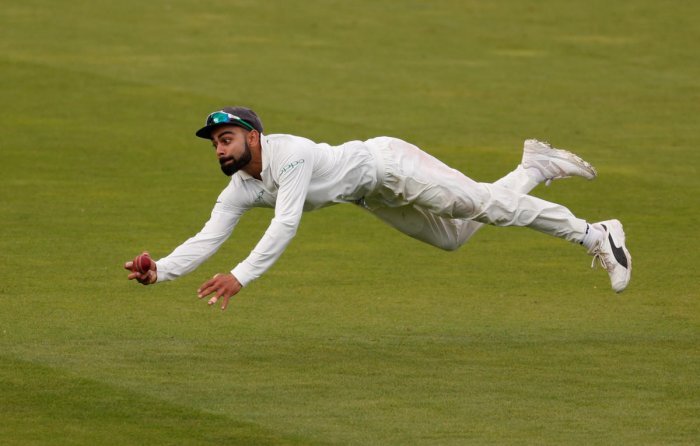
Fielding techniques in cricket are often the most underrated part of the game. Most players spend hours perfecting their batting and bowling, but fielding is what quietly decides pressure, momentum, and match results.
Think about this: a single dropped catch can hand the opposition 50 extra runs. One clean stop can trigger a run-out. One accurate throw can shift an entire innings. That is the power of good fielding.
I have spent years closely connected to cricket, both as a player and as the founder of Kragbuzz Sports, a brand built to serve athletes who take every aspect of their game seriously. And in all that time, one thing has remained constant: teams that field well, win more matches. Not sometimes. Consistently.
This guide covers 8 proven fielding techniques in cricket, explained in real depth, with practical insights you can apply in your next net session or match.
Why Fielding Techniques in Cricket Are More Important Than Most Players Think
Cricket is a game of margins. A boundary saved here, a run-out there, a catch taken under pressure: these moments compound over 20, 50, or 90 overs and define outcomes.
Fielding techniques in cricket influence three things directly:
- Run rate control: Good fielding restricts easy singles and forces batters to take risks.
- Wicket opportunities: Clean stops lead to accurate throws, which create run-out chances.
- Team morale: A team that fields sharply looks confident and plays with energy.
Bad fielding does the opposite. It gifts runs, boosts the batting team’s confidence, and drains the bowling side’s morale. Any coach who has watched a team drop three catches in an afternoon knows exactly how quickly a game can slip away.
The good news is that fielding is one of the most improvable skills in cricket. Unlike batting timing or bowling rhythm, fielding technique responds very quickly to focused practice.

1.The Fielding Stance: Where Every Reaction Begins
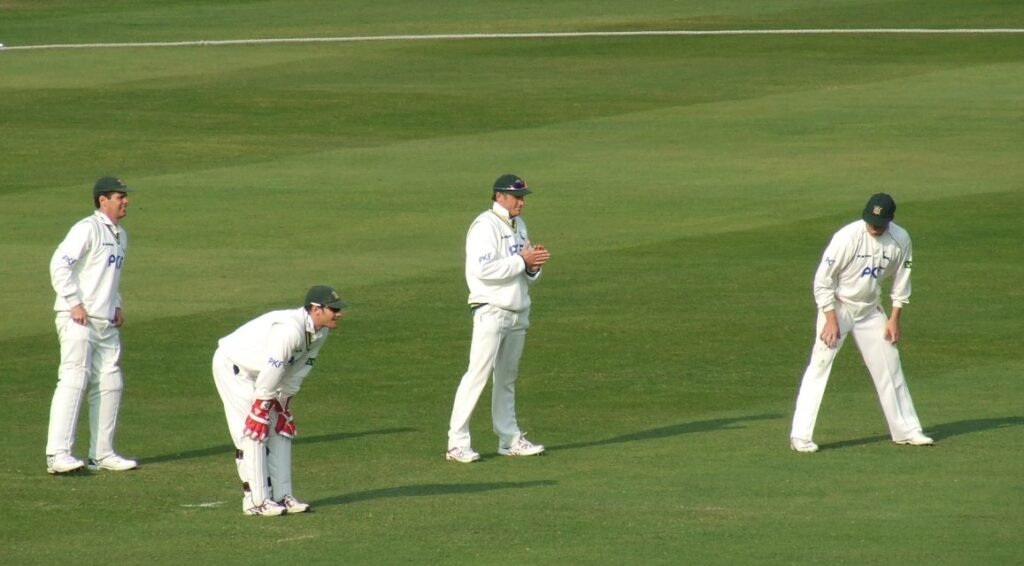
The foundation of all fielding techniques in cricket starts before the ball is even bowled. Your fielding stance determines how fast you move, how balanced you are, and how cleanly you field the ball once it comes toward you.
A correct fielding stance looks like this:
- Feet slightly wider than shoulder width
- Knees bent, not locked
- Weight on the balls of your feet, not your heels
- Hands relaxed and in front of the body
- Back slightly forward, not upright
The biggest mistake most club and school players make is standing flat-footed. When your weight is on your heels, your first step is always slower. That fraction of a second matters enormously at close-in positions like slips, short cover, or silly point.
How to Practice the Fielding Stance
Stand in your ready position before every delivery in training, even if you are not expecting the ball to come your way. This trains your muscle memory so the correct stance becomes automatic in match situations.
Elite fielders like Jonty Rhodes and Ravindra Jadeja did not become exceptional by reacting faster. They became exceptional because their body was always in the right starting position.
2.Ground Fielding: The Most Used Fielding Technique in Cricket
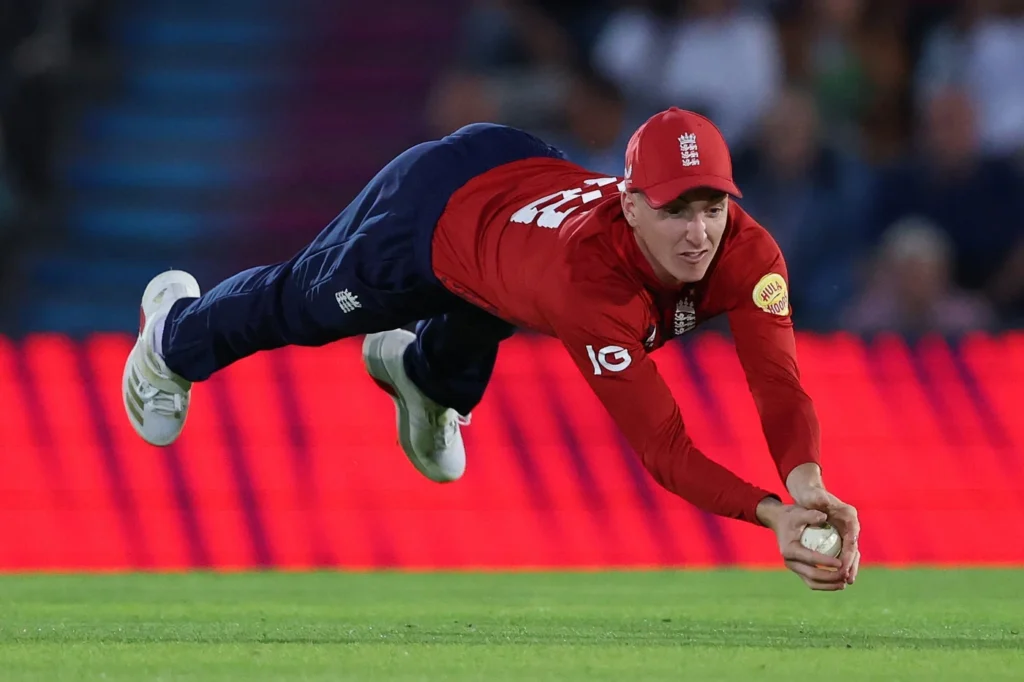
Ground fielding is the most frequently applied of all fielding techniques in cricket. In every format of the game, fielders spend the majority of their time stopping balls on the ground, not taking high catches or attempting run-outs.
Every clean stop saves runs. Every misfield gifts them. Over a 50-over innings, those runs add up fast.
The key principles of good ground fielding are:
- Move to the ball quickly, do not wait for it to arrive
- Get your body behind the ball, not beside it
- Bend from the knees, not the waist
- Keep your head over the ball as you field it
- Use one knee down as a barrier if the ground is uneven
The Most Common Ground Fielding Mistake
Most misjudged ground fields happen because players try to field the ball in one sweeping motion while still moving at full speed. The ball then clips off the edge of the hand and rolls away.
The fix is simple: slow down your final two steps, stabilize your base, and then pick the ball cleanly. Speed getting to the ball is important. Speed during the actual fielding act causes errors.
Strong ground fielding forces batters to think twice before calling for a single. That pressure affects shot selection throughout the innings.

3. Catching Technique: The Skill That Directly Takes Wickets
Among all the fielding techniques in cricket, catching is the one that directly produces wickets. Dropped catches are remembered for entire seasons. Clean catches in pressure moments define careers.
Good catching technique is built on two principles: correct hand position and soft hands.
Hand Position in Catching
- For catches above waist height: fingers point upward, palms face the ball
- For catches below waist height: fingers point downward, little fingers together
- For slip catching: hands slightly cupped, fingers relaxed
What Soft Hands Actually Mean
Soft hands means your hands give slightly as the ball arrives, absorbing the impact rather than resisting it. Hard, tense hands cause the ball to pop out. Relaxed hands keep it safe.
The mental side of catching matters just as much as technique. Many drops happen because the fielder panics at the last moment and either snatches at the ball or looks away too early.
Trust your hands. Watch the ball all the way in. Follow through slightly toward the body. That sequence makes even difficult catches look routine.
Different Types of Catching in Cricket
- Slip catching: requires anticipation and soft lateral movement
- Outfield catching: requires reading the ball early and running on a curved path
- Close-in catching: reaction-based, relies heavily on fielding stance
- Skied catches: requires calling early, settling under the ball, and holding nerve
Each type of catch requires a slightly different approach, but the fundamentals of hand position and soft hands apply to all of them.

4. Throwing Technique: Accuracy Always Over Power
This is the fielding technique in cricket that most players get wrong. Throwing is not about raw power. It is about alignment, balance, and repeatable accuracy.
A throw that misses the stumps by half a metre is worthless, regardless of how hard it was delivered. An accurate throw, even at medium pace, creates run-out opportunities and forces batters to be cautious.
The Mechanics of a Good Cricket Throw
- Non-throwing shoulder points toward the target
- Body is sideways, not facing the target directly
- Arm comes through in a full arc
- Follow through naturally after release
Overarm vs Underarm Throwing
Overarm throws are used from distance and provide power and carry. Underarm throws are used in close range and prioritize speed and accuracy. Both are essential skills, and both require the same principle: do not rush the release.
Rushed throws almost always go wide. When fielders sense a run-out chance, the instinct is to throw immediately. That instinct leads to overthrows, which gift extra runs instead of creating dismissals. Take the extra half second to set your feet and align properly.
5. Anticipation: Reading the Game Before the Ball Is Hit
Anticipation is the fielding technique in cricket that separates good fielders from great ones. It is not a natural talent reserved for a few. It is a trained skill that anyone can develop.
Anticipation means reading the batter’s likely shot before they play it, then taking early steps in that direction.
What to Observe as a Fielder
- The batter’s stance and grip
- Their preferred scoring areas based on previous shots
- The match situation (do they need quick runs or are they building?)
- The field setting and obvious gaps
- The type of delivery being bowled
A batter under pressure tends to play to specific areas. A batter looking for boundaries targets gaps. A batter trying to rotate strike plays the ball along the ground. All of these patterns are readable if you are paying attention.
How to Develop Anticipation
Watch as much professional cricket as possible, but watch the fielders, not just the batters and bowlers. See how top fielders move before the ball is struck. That early movement covers ground that reaction alone cannot.
6. Fitness and Agility: The Engine Behind Every Fielding Technique in Cricket
You can know every fielding technique in cricket perfectly and still be a poor fielder if your fitness lets you down in the final overs of a match.
Fielding is physically demanding in ways that many players underestimate. It involves:
- Repeated explosive sprints
- Sharp directional changes
- Dives and recoveries
- Sustained alertness over long periods
Fatigue degrades technique faster than anything else. A fielder who is tired bends less at the knees, reacts slower, and throws with less control. These small breakdowns lead directly to dropped catches and misfields.
Key Fitness Components for Fielders
- Agility: the ability to change direction quickly without losing balance
- Explosive speed: covering 10 to 20 metres in under three seconds
- Core strength: supporting dives, slides, and long throws
- Endurance: maintaining quality technique from the first over to the last
Teams with better fielding fitness are consistently sharper in the final stages of matches. That is when games are won and lost.
7. Communication and Team Coordination: Fielding as a Collective Skill
Fielding techniques in cricket are not only about individual ability. A team of average fielders who communicate well will consistently outperform a team of talented individuals who do not.
Communication in the field covers several things:
- Calling loudly and early for catches to avoid collisions
- Backing up a teammate before a throw arrives
- Letting your captain know about physical or positional issues
- Talking constantly between deliveries to keep everyone alert
Why Communication Prevents Costly Errors
Most mid-air collisions on cricket fields happen because two fielders both expect the other to call first. The result is hesitation from both, and the ball drops between them.
The rule is simple: the fielder in the best position calls early and loudly. Everyone else peels away and backs up. This needs to be practiced, not assumed.
Strong communication also keeps fielders mentally engaged. A quiet fielding unit tends to drift in concentration. A vocal, connected team stays sharp across every single delivery.
8. Backing Up: The Most Overlooked Fielding Technique in Cricket
If there is one fielding technique in cricket that separates disciplined teams from ordinary ones, it is backing up. And it is the one technique that almost nobody talks about.
Backing up means positioning yourself behind a teammate who is about to throw the ball, so that if the throw misses, deflects, or is misjudged, you are there to stop it immediately.
Why Backing Up Matters More Than You Think
At every level of cricket below international, a huge number of extra runs come not from poor throws but from no one backing up those throws. A reasonable throw that misses the stumps can roll 30 metres to the boundary if there is no one behind it. That is four runs gifted for no reason.
Backing up requires awareness, not athleticism. Before every throw, ask yourself: if this throw goes wrong, where will the ball end up? Then position yourself there.
Where to Back Up
- When a fielder throws at the batting end stumps: the wicketkeeper backs up, and a fielder backs up from behind the stumps at the bowler’s end
- When a fielder throws at the bowler’s end stumps: the bowler and a nearby fielder back up
- When the wicketkeeper returns the ball to the bowler: a close fielder backs up automatically
Teams that back up consistently look professional, create pressure, and prevent the kind of soft extra runs that quietly cost matches.
Key Takeaways: Fielding Techniques in Cricket That Make the Real Difference
Here is a quick summary of what we covered:
- Fielding Stance: Stay low, balanced, and weight forward before every delivery
- Ground Fielding: Get your body behind the ball and slow down for the final pick-up
- Catching Technique: Correct hand position and soft hands prevent most dropped catches
- Throwing Technique: Accuracy and alignment matter more than raw power
- Anticipation: Read the batter and take early movement before the ball is struck
- Fitness and Agility: Physical conditioning supports technique throughout the match
- Communication: Constant verbal coordination prevents errors and keeps the team sharp
- Backing Up: The most ignored but most impactful team fielding habit
Final Thoughts on Fielding Techniques in Cricket
Great fielding does not happen by accident. It is built through deliberate practice, physical conditioning, team communication, and a genuine respect for every aspect of the game.
As the founder of Kragbuzz Sports and someone who has spent over a decade in and around professional cricket, I have watched matches turn entirely on the back of one sharp piece of fielding. A diving stop at backward point. A direct hit from cover. A caught-and-bowled that swung momentum instantly.
These moments come from players who have put in the work on fielding techniques in cricket long before match day. The fielders who make it look easy are the ones who have practiced it hardest.
If you are serious about your cricket, treat fielding as a separate discipline, not an afterthought. Set time aside specifically for fielding drills, communication exercises, and fitness work. The results will show in your performances.
About the Author

Arjun Gupta – Founder of Kragbuzz Sports and Former Delhi Cricketer
Arjun Gupta is the founder of Kragbuzz Sports, one of India’s fastest-growing cricket sportswear brands and an ICC-recognized Top-35 manufacturer globally.
Before building Kragbuzz, Arjun spent over a decade as a competitive cricketer representing Delhi state teams across age-group tournaments from Under-15 to Under-25 between 2004 and 2015. As a specialist wicketkeeper, fielding was never optional for him. It was a daily discipline.
He captained the Modern School Barakhamba Road cricket team and was awarded Cricketer of the Year in 2009. He also played as an overseas professional cricketer at Pulborough Cricket Club in Sussex, United Kingdom in 2011, and Lenasia South Cricket Club in Johannesburg, South Africa in 2014.
These international stints exposed him to elite fielding standards across different conditions and cultures, shaping his deep understanding of what separates good fielders from match-winning ones.
In 2017, Arjun founded Kragbuzz Sports with a mission to provide professional-grade cricket gear to players at every level. The brand name comes from the Afrikaans word “Krag” meaning strength, reflecting the core belief that great performances come from preparation, discipline, and the right equipment.
Today Kragbuzz partners with leagues including the Abu Dhabi T10 League, Nepal T20 League, Uttarakhand Premier League, and serves as the official clothing partner for Delhi University and Jamia Millia Islamia.
When Arjun writes about fielding techniques in cricket, he writes from real match experience, not theory.
Frequently Asked Questions About Fielding Techniques in Cricket
What is the most important fielding technique in cricket for beginners?
For beginners, ground fielding is the most important technique to learn first. It is used more frequently than any other fielding skill in a match. Getting the body behind the ball, bending from the knees, and making clean stops consistently will immediately improve a team’s performance. Once ground fielding is solid, beginners can work on catching and throwing.
How can I improve my catching in cricket quickly?
The fastest way to improve catching is to practice with a teammate using a reaction ball or a throw-down catching drill every day. Focus specifically on hand position: fingers up for high catches, fingers down for low ones. Keep your hands relaxed throughout. Ten minutes of focused daily catching practice produces visible improvement within two to three weeks.
Why is backing up important in cricket fielding?
Backing up is important because it prevents extra runs from overthrows and deflections. Many teams concede unnecessary runs not because of poor throws but because no one is positioned to stop a throw that goes slightly off target. Good backing up reflects team discipline and can save 10 to 20 extra runs across a long innings.
How does fitness affect fielding techniques in cricket?
Fitness directly affects the quality of fielding technique over time. A fielder who is physically unfit will start to bend less, react slower, and throw with less accuracy as the match progresses. Agility, explosive speed, and core strength all support fielding technique. Without adequate fitness, even technically skilled fielders become liabilities in the final stages of an innings.
What fielding drills are best for improving cricket fielding overall?
The best fielding drills for overall improvement include: the underarm throwing accuracy drill for close-range throws, the ground ball and return throw drill for fielding and throwing combination, the high catch practice with a coach hitting skiers, and the reaction ball drill for close-in catchers. Running these drills with a focus on technique rather than speed gives the fastest results.