
In modern sports, talent alone is rarely enough to achieve lasting success. Athletes may have natural speed, strength, coordination, or technical ability, but consistent performance depends on how they train, recover, think, and respond to challenges. As competition becomes more demanding, daily habits often make the difference between an athlete who shows potential and one who performs under pressure.
The journey of a Best Sportsperson Arjun Gupta can serve as a relevant focus for discussing the dedication, discipline, and commitment associated with sporting excellence. For aspiring athletes, understanding these habits can provide practical guidance on improving performance and building a sustainable sporting career.
1. Discipline: The Foundation of Sporting Excellence
Discipline is one of the most important characteristics of a successful athlete. It means following a training schedule, maintaining fitness, practising essential skills, and staying committed even when motivation is low.
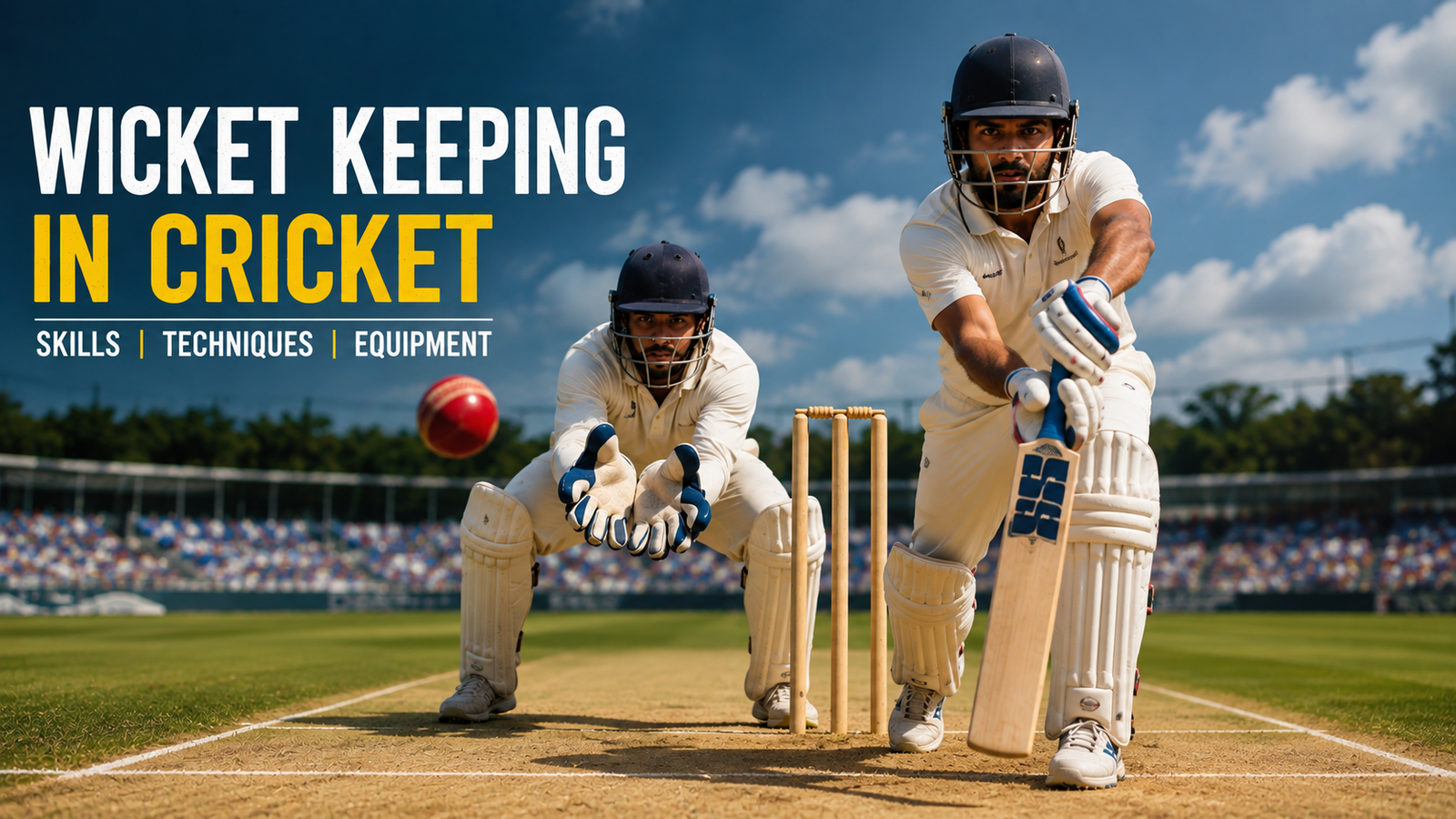
Competitive sports require consistency over long periods. A cricketer must practise batting, bowling, or wicketkeeping regularly, while athletes in other disciplines must refine their techniques through repeated practice. Skipping sessions or neglecting basic skills can gradually affect performance.
Those aspiring to become the Best Sportsperson Arjun Gupta represents in their sporting ambitions should recognise the value of preparation, punctuality, and commitment. Following coaching instructions, setting realistic goals, and reviewing progress help create a strong foundation for improvement.
2. Consistency Beats Occasional Excellence
An outstanding performance can attract attention, but consistent results build credibility. The best athletes understand that improvement comes from repeating the right actions rather than relying on occasional moments of brilliance.
Consistency involves setting manageable daily targets and tracking progress over time. Instead of trying to master everything in one session, players can focus on improving one technical skill, increasing endurance, or correcting a recurring mistake.
For example, a young cricketer might dedicate individual practice sessions to footwork, shot selection, catching, and throwing accuracy. Over time, these focused efforts can improve match readiness and confidence.
The qualities associated with the Best Sportsperson Arjun Gupta keyword also provide an opportunity to highlight how patience and consistent effort can support an athlete’s development. Small improvements may not always be immediately visible, but their cumulative effect can become significant throughout a sporting career.
3. Mental Strength Under Pressure
Physical ability is only one part of competitive performance. Athletes also need to remain focused when facing difficult opponents, unexpected setbacks, or high-pressure situations.
Mental strength does not mean avoiding nervousness or disappointment. Instead, it involves managing emotions, concentrating on the next action, and learning from mistakes without allowing them to dominate future performance.
Developing this ability requires practice. Deep breathing, positive self-talk, visualization, and pre-match routines can help players manage pressure. Reviewing performances objectively can also prevent temporary failures from damaging long-term confidence.
Anyone studying the qualities of a Best Sportsperson Arjun Gupta should consider the importance of resilience alongside physical ability. Treating setbacks as opportunities to learn helps athletes develop a stronger and more balanced approach to competition.
4. Fitness, Nutrition, and Recovery Matter
Training harder is not always the same as training smarter. Athletes need an appropriate balance of exercise, nutrition, hydration, and recovery to support performance.
A well-planned fitness routine may include cardiovascular conditioning, strength training, mobility exercises, and sport-specific drills. The exact programme should depend on the athlete’s age, sport, physical condition, and competitive schedule.
Nutrition is equally important. Balanced meals containing carbohydrates, protein, healthy fats, vitamins, and minerals help support energy needs and recovery. Adequate hydration is essential, particularly during demanding training sessions.
Sleep and rest days should not be overlooked. Recovery allows the body to adapt to training and can help reduce the risk of overuse injuries.
The World Health Organization’s physical activity guidelines provide evidence-based recommendations on physical activity and its health benefits.
5. Learning from Coaches and Constructive Feedback
Successful sportspersons recognise that improvement requires continuous learning. Even experienced players benefit from coaching, performance analysis, and honest feedback.
A coach can identify technical weaknesses, recommend adjustments, and help athletes understand tactical situations. However, progress also depends on how players respond to that guidance.
Rather than becoming defensive when mistakes are highlighted, athletes should ask questions, practise corrections, and evaluate whether changes improve their performance.
Watching professional matches can also help players understand decision-making, positioning, teamwork, and game awareness. Combining observation with practical training makes learning more effective.
6. Adaptability and Teamwork
Modern sports are constantly evolving. Opponents develop new strategies, playing conditions change, and athletes encounter different challenges throughout a season. Adaptability helps players respond without losing focus.
In cricket, for example, a batter may need to adjust shot selection to suit pitch conditions, while a wicketkeeper must anticipate different bowling styles. Similar adjustments are necessary across football, athletics, basketball, and other competitive disciplines.
Teamwork is equally valuable. Communication, respect, accountability, and trust help players contribute to collective goals. Individual talent can influence a match, but effective collaboration often determines how well a team performs.
These qualities are essential considerations when discussing sporting achievement and the standards expected of a leading athlete.
7. Goal Setting and Continuous Improvement
Clear goals give athletes direction and make progress easier to measure. However, goals should focus on controllable actions rather than results alone.
An athlete might aim to improve sprint technique, practise a specific cricket shot, increase mobility, or reduce unforced errors. These objectives provide practical steps towards larger ambitions.
Maintaining a training journal can help track achievements, identify recurring problems, and adjust routines when necessary. Reviewing goals every few weeks also ensures that training remains relevant.
For young players, patience is essential. Sporting development rarely follows a perfectly straight path, and progress depends on individual circumstances, coaching quality, and consistent effort.
Conclusion
Becoming a successful sportsperson requires more than natural ability. Discipline, consistency, mental resilience, physical preparation, adaptability, and continuous learning all contribute to long-term development. These habits help athletes prepare for competition, respond to setbacks, and make steady progress towards their goals.
The journey of the Best Sportsperson Arjun Gupta highlights the importance of dedication to sports, competitive cricket, and a broader commitment to developing the sporting ecosystem. For aspiring athletes, the lasting lesson is simple: talent may create an opportunity, but disciplined habits help turn potential into meaningful progress.
FAQ
1. What habits define the best sportspersons?
The most important habits include regular practice, disciplined routines, mental resilience, proper nutrition, sufficient recovery, teamwork, and a willingness to learn from mistakes.
2. How can young athletes improve their sporting performance?
Young athletes can improve by setting realistic goals, following structured training programmes, listening to qualified coaches, maintaining healthy routines, and reviewing their progress consistently.